
Int J Chem Res, Vol 10, Issue 3, 1-14Review Article
Emerging Trends in Biodegradable Polymers Derived From Vegetable Waste for Sustainable Agriculture: Challenges and Opportunities
SAKINA KAGDI, ARUN SHARMA*
Department of Chemistry, School of Basic and Applied Sciences, Career Point University, Kota-325003, Rajasthan, India
*Corresponding author: Arun Sharma; *Email: [email protected], [email protected]
Received: 20 Apr 2026 Revised and Accepted: 12 Jun 2026
Abstract
Plastics have become ubiquitous in modern agriculture, offering short-term benefits such as improved crop yields and efficiency. However, their extensive use leaves behind persistent residues that degrade into plastic polymers, which accumulate in soils and pose significant ecological risks. These plastic polymers disrupt soil structure, alter microbial communities, impair nutrient cycling, and ultimately infiltrate the food chain, raising concerns for both environmental and human health. Biodegradable polymers present a promising alternative to conventional petroleum-based plastics. Unlike their synthetic counterparts, these materials are designed to decompose through microbial activity into carbon dioxide, water, and biomass, thereby minimizing long-term persistence in the environment. They are inherently less toxic, more compatible with soil ecosystems, and align with principles of sustainable agriculture. The integration of green chemistry further enhances their potential, emphasizing renewable feed stocks, reduced chemical hazards, and energy-efficient processes. Agricultural and food-processing waste, such as vegetable residues, offers an inexpensive and renewable resource base, supporting the vision of a circular economy. Nevertheless, challenges remain in scaling up biodegradable polymer production. Ensuring durability under field conditions, achieving cost competitiveness with conventional plastics, and guaranteeing complete degradation in diverse natural environments are critical hurdles. Addressing these issues requires coordinated efforts among scientists, manufacturers, policymakers, and the agricultural community. Advancing research into novel biodegradable materials, optimizing production technologies, and implementing supportive policies will be essential to realize their full potential. Such collective action can mitigate plastic pollution while promoting sustainable farming practices, thereby safeguarding soil health and food security for future generations.
Keywords: Agricultural plastic waste, Plastic polymers, Biodegradable polymers, Green chemistry, Vegetable waste
© 2026 The Authors. Published by Innovare Academic Sciences Pvt Ltd. This is an open access article under the CC BY license (http://creativecommons.org/licenses/by/4.0/)
DOI: http://dx.doi.org/10.22159/ijcr.2026v10i3.364 Journal homepage: https://ijcr.info/index.php/journal
Introduction
The double role of polymers in agriculture highlighting both their benefits and environmental risks. Plastic products significantly enhance crop yield, improve food quality, and reduce water consumption, thereby supporting agricultural productivity and efficiency. However, increasing plastic use has led to serious ecological concerns, including soil degradation, water contamination, and negative impacts on plant health and food security [1]. Plastic contamination has emerged as a critical challenge in agricultural soils, as it exerts detrimental impacts on the soil ecosystem and its overall health. Arable, paddy, upland, irrigated, and greenhouse soils are widely contaminated with polymers of various sizes distributed across soil layers. Major sources are plastic mulching, sludge and compost application, and abandoned greenhouse materials. Most studies were conducted in Asia (60%) and Europe (29%), with limited research from other regions [2]. Plastic materials are widely used in agriculture, but their increasing accumulation poses serious environmental concerns. Although biodegradable and alternative plastics are being introduced as substitutes for conventional mulching films, their ecological impacts under real field conditions remain poorly understood. In particular, the effects of microplastics (larger plastic fragments) on soil invertebrate communities have been largely overlooked, as most research focuses mainly on microplastics. The separate effects of two conventional plastics (polyethylene and polypropylene) and two alternative plastics (polyethylene with biodegradable additives and compostable polylactic acid) on plant growth and soil mesofauna shows different results. Microplastics were incorporated into soil at 0.1% (w/w), and spring barley (Hordeum vulgare) was cultivated for 11 w, but no major differences were observed between them. Soil mesofauna, especially Collembola, exhibited reduced richness and abundance, although community composition remained stable during the experimental period [3]. Polymers are widely used in agriculture for applications such as mulch films, nets, and storage materials, but their extensive use has resulted in significant soil accumulation and environmental concerns. It is important to use, reduce, improve collection, reuse, and recycle in new ways. We need biodegradable alternatives that are safe for the environment for polymers. Also, dangerous plastic additives should be replaced with safer ones and talked about in international policy talks, like the negotiations for the United Nations Polymers Treaty. It is not possible to completely replace polymers right now because of possible effects on food security and the overall environmental footprint. Instead, lower-impact alternatives should be promoted within a structured socio-economic framework. To make agriculture's use of plastic more sustainable, we need better monitoring, reporting, new technology, education, and financial incentives [4].
Agricultural plastic waste is an escalating global issue due to extensive plastic use in farming and inadequate waste management systems, particularly in rural areas. International policy frameworks and technological innovations seek to enhance the management of agricultural plastic waste through a systematic examination of peer-reviewed literature and policy documents [5]. The research examines national strategies, including extended producer responsibility (EPR), regional waste management frameworks, and technology-driven incentives, alongside evaluating recycling technologies and biodegradable alternatives. Findings indicate that integrated policy approaches can improve collection systems and financial stability; however, their implementation is often hindered by high costs, logistical difficulties, and inconsistent stakeholder engagement. Although advanced recycling technologies and biodegradable materials show technical potential, they face limitations related to field durability, economic feasibility, and scalability. The sustainable agricultural plastic management requires a comprehensive strategy that integrates regulatory measures, economic incentives, technological innovation, and continuous empirical evaluation. Successful transition toward circular management systems will depend on adapting solutions to local contexts and fostering collaboration among policymakers, industry, and stakeholders [6]. The increasing use of plastic materials in agriculture has significantly enhanced productivity but has also caused growing environmental problems within agro-ecosystems. Agriculture relies heavily on polymers for crop covering, mulching, packaging, irrigation systems, containers, and other applications. Improper disposal practices like leaving plastic waste in fields or burning it contribute to environmental pollution (fig. 1). However, when properly collected and managed, agricultural plastic waste (APW) can serve as a valuable secondary raw material or energy source, preventing both economic losses and environmental damage. Barletta–Andria–Trani (BAT) Province located in the Apulia region of southern Italy, an area characterized by intensive agricultural activities, including vineyards, olive groves, orchards, and vegetable cultivation. The region faces significant challenges related to high plastic waste generation and inadequate disposal practices [7].
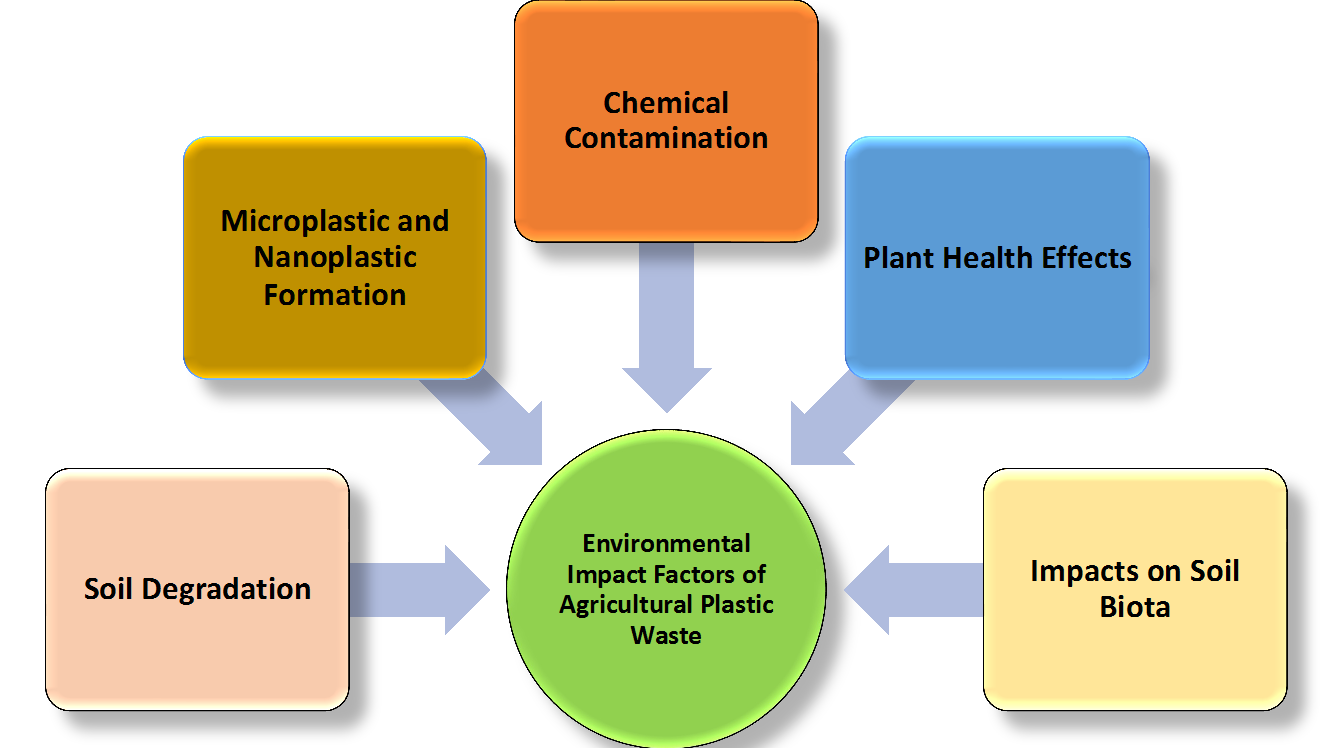
Fig. 1: Shows the environmental impact factors of agricultural plastic waste.
The increasing use of polymers in agriculture has significantly enhanced crop productivity; however, disposal of these materials after their useful life poses serious environmental challenges. Most agricultural polymers are made from non-degradable compounds that resist breakdown and accumulate as waste in soils or landfills, creating long-term pollution concerns. Questions arise regarding whether these polymers are truly biodegrade in terms of the rate at which degradation occurs, and the environmental effects of their degradation products, including chemical additives. Ideally, degradable agricultural polymers should completely biodegrade without causing soil contamination, environmental pollution, or compromising crop safety. A fully biodegradable polymer is generally defined as one that microorganisms convert entirely into carbon dioxide, water, minerals, and biomass without ecotoxic effects. However, there is ongoing debate about what constitutes an acceptable biodegradation timeframe and how it should be measured. Many materials marketed as “biodegradable” are instead only partially degradable or fall into categories such as bioerodable, hydro biodegradable, photodegradable, or controlled degradable [8].
Plastic pollution accumulation of microplastics (MPs) is a major environmental concern in terrestrial ecosystems. In agricultural soils, MP concentrations range widely from 3.7 to 40,800 particles per kilogram, posing significant risks to soil health and ecosystem functioning. The accumulation of MPs can negatively impact soil structure, microbial communities, and overall environmental quality. Biodegradation of soils contaminated with MP is a possible way to clean them up. The major mechanism of MP degradation in the environment is through enzymatic oxidation and hydrolysis, which introduce functional groups into polymer chains, leading to their breakdown. Microorganisms play a crucial role in this process through surface colonization, biofilm formation, and enzymatic degradation. Biofilms are complex groups of microorganisms that are stuck together by extracellular polymeric substances. They make microorganisms more active and help them break down things more quickly. Although biodegradation presents a promising solution for MP pollution, further research is needed to optimize environmental conditions (such as pH, temperature, moisture, salinity, and oxygen availability), identify effective plastic-degrading microorganisms, and evaluate long-term ecological impacts. Future studies should focus on discovering novel plastic-degrading microbes and engineering enzymes with enhanced degradation capacity to develop more effective strategies for mitigating plastic contamination in soil ecosystems [9]. Although MPs have been extensively studied in aquatic environments, understanding of the processes by which agricultural soils transport chemicals, regulate their availability to plants, facilitate their uptake, and influence environmental outcomes remains limited. These gaps in knowledge make it hard to accurately assess risks and come up with viable ways to reduce them. It focuses on MPs in soil–plant systems, with reference to how they affect the physical and chemical properties of the soil, the physiology of plants, toxicological responses, and interactions in the rhizosphere. It also talks about how MP moves around and how detection and quantification methods have improved. The role of plant functional traits in how different species respond to MP exposure is made clear. The authors suggest that future research should focus on multi-method detection approaches, long-term and multi-site field studies, advanced risk modelling frameworks, and the creation of safe threshold levels for MPs in edible crops. They also stress the importance of having clear rules for the whole life cycle of agricultural polymers, keeping an eye on soil MP pollution, and including MP risks in food safety assessments. This review provides both theoretical insights and practical strategies for mitigating microplastic (MP) pollution in agricultural environments [10].
MP contamination in agricultural soils is becoming a serious environmental concern due to its negative impacts on soil health, nitrogen cycling, and crop productivity. Plastic mulching, irrigation, and biosolid application all put common polymers like polyethylene (PE), polyvinyl chloride (PVC), and polypropylene (PP) into the soil. This changes the soil's physical and chemical properties, nutrient availability, and microbial activity. Also, it messes up important nitrogen processes like mineralization, nitrification, and denitrification. This makes it less efficient to use nitrogen and more likely to lose ammonia, which lowers the growth and yield of crops, especially wheat. Biochar is a promising way to reduce greenhouse gas emissions because it can improve soil structure, hold onto nitrogen better, and lower ammonia emissions. However, there are still big gaps in our knowledge, especially when it comes to standardized methods and long-term field studies to measure cumulative effects. Using combination of scientific research, sustainable practices, and strong policy frameworks to protect the environment, keep soil fertility, and sufficient food is the need of the hour [11].
Biodegradable polymers
Biopolymers, derived from renewable resources and often biodegradable, are increasingly attractive to industries and consumers due to their perceived environmental benefits. However, they currently make up just around 1% of the 300 million tonnes of polymers produced annually from the packaging, agriculture, gastronomy, electronics, and automotive industries. While biodegradable polymers are frequently thought of as a way to address the issue of plastic waste, biodegradability is only effective under specific disposal conditions and within defined timeframes, which is frequently overlooked. These materials are most suitable for applications requiring easy and cost-effective disposal after use, such as food packaging, agricultural products, and medical items [12]. Biodegradable polymers have attracted attention from both industry and consumers due to their potential economic benefits, reduced environmental impacts, and positive social perceptions. Widely applied in packaging, agriculture, gastronomy, electronics, and automotive sectors, biodegradable polymers are often considered a more sustainable alternative to conventional polymers. With growing economic development, particularly in developing countries, environmental awareness has increased, prompting greater scrutiny of synthetic plastic use. This paper evaluates their prospects through a triple bottom line (TBL) framework, examining economic, environmental, and social dimensions of sustainability. Using ATLAS. ti 9 software for systematic literature analysis, the study identifies environmental sustainability as the most critical factor, followed by economic and social aspects. The review also discusses recent advances in enzyme-based plastic biodegradation and emphasizes the importance of effective end-of-life management for bio-based and biodegradable polymers to minimize environmental harm and promote sustainable development [13].
Polymers play an essential role in modern society, being widely used in electronics, textiles, packaging, and transportation. Despite their benefits, conventional polymers pose serious environmental and health concerns due to high carbon emissions and long-term persistence. Biodegradable polymers offer a promising alternative, as they are designed to be broken down by microorganisms, thereby reducing environmental accumulation, littering, and climate-related impacts. However, their market share remains relatively small, requiring further advancements in research, large-scale production, and commercialization. It explores environmental and socio-economic impacts, government regulations, standards and certifications, physico-chemical properties, and analytical assessment methods [14].
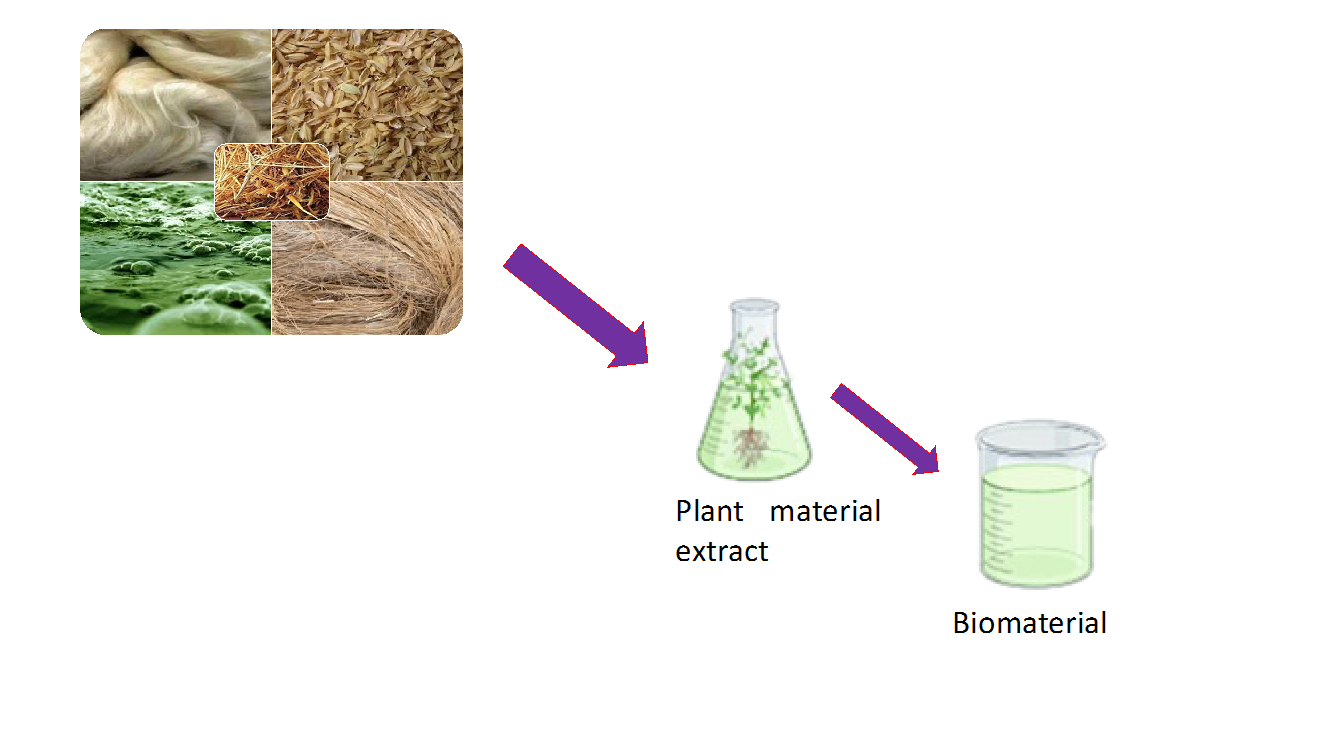
Fig. 2: Schematic illustration of plant-based extracts utilisation for sustainable biomaterial development.
The schematic in fig. 2 illustrates the conversion of plant-derived resources into eco-friendly biomaterials. Agricultural residues, fibres, algae, and biomass are processed to obtain plant extracts, which act as bioactive agents. These extracts drive green synthesis, enabling environmentally responsible material development and promoting innovation in sustainable science and technology [15]. Created by authors using BioRender/Servier Medical Art
Biomaterial is any natural or synthetic material that is engineered to interact with biological systems for medical, diagnostic, therapeutic, or tissue replacement purposes [16]. Biomaterials are designed to be biocompatible, meaning they can perform their intended function without causing adverse immune reactions, toxicity, or rejection when introduced into the human body. They are widely used in medical devices such as implants, prosthetics, drug delivery systems, tissue engineering scaffolds, and wound dressings [17]. Classification of biomaterials is given in fig. 3.
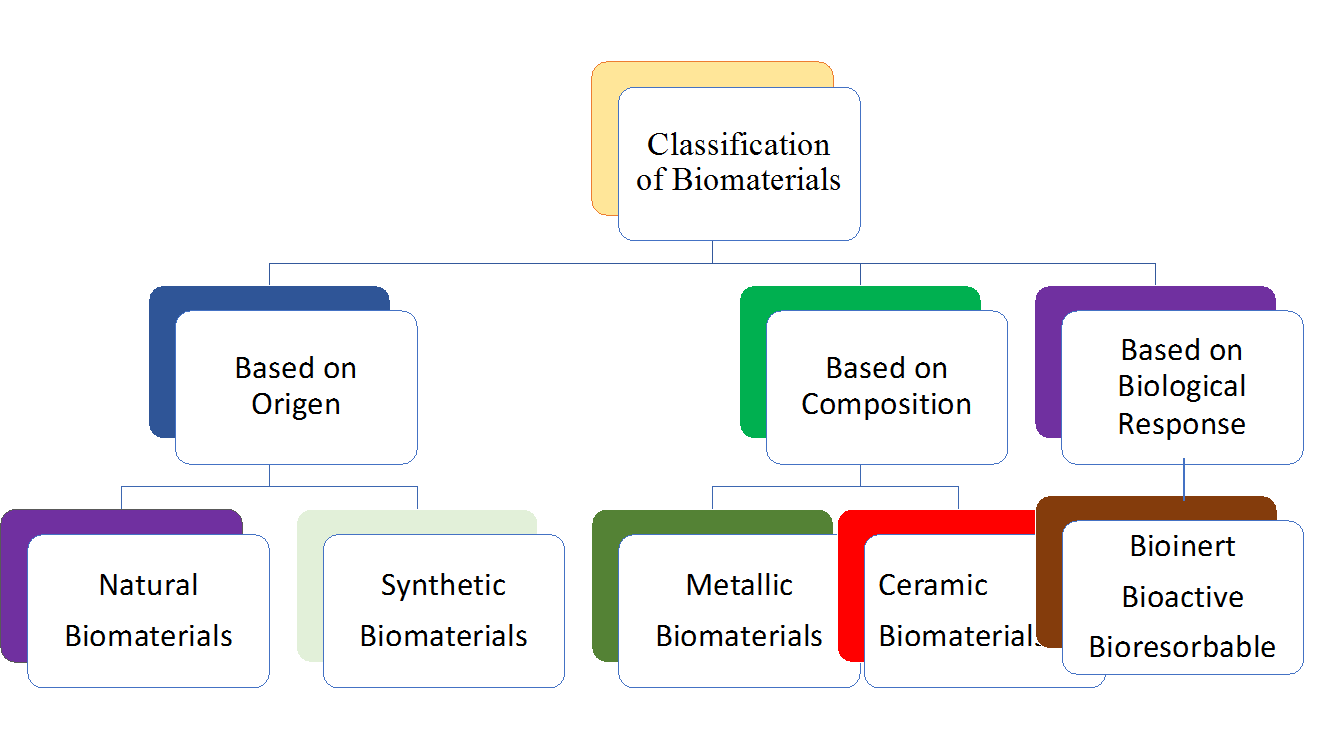
Fig. 3: Classification of biodegradable plastics for sustainable agriculture. Created by authors using BioRender/Servier Medical Art.
Biopolymers vs. petroleum-based polymers
Biomass resources such as starch, cellulose, wood, and sugars are increasingly used to replace fossil-based raw materials in plastic production, contributing to sustainable development by reducing non-renewable energy consumption and carbon dioxide emissions. Major types of biopolymers include cellulosic esters, starch derivatives, polyhydroxybutyrate (PHB), polylactic acid (PLA), and polycaprolactone (PCL). Life Cycle Assessment (LCA) is the primary tool for evaluating the environmental impacts of polymers, such as global warming potential, human toxicity, abiotic depletion, eutrophication, and acidification across production, use, and disposal stages. The comparison of biopolymers and conventional polymers using a cradle-to-grave LCA approach, focusing on shopping bags made from Mater-Bi (a starch-based bioplastic) and polyethylene [18]. Biopolymers are gaining importance in consumer products due to their potential to enhance sustainability, yet they remain limited to niche markets. While prior research has mainly focused on technical challenges, this study examines the behavioural factors influencing product developers’ decisions to adopt and manufacture biopolymers. Using a grounded inductive approach based on interviews with 32 product developers in the consumer goods industry, and guided by the Theory of Planned Behaviour, the study reveals that behavioural barriers significantly limit broader adoption. Developers report low perceived behavioural control, uncertainties about environmental benefits, and concerns about trade-offs related to the TBL (economic, environmental, and social performance). Although many developers are intrinsically motivated to use biopolymers, they hesitate to introduce them to mass markets due to doubts about customer acceptance and fears of greenwashing accusations [19]. The growing demand for polymers, driven by population growth, industrialization, and urbanization, has led to their widespread use due to their durability and versatile properties. However, petroleum-based polymers are non-biodegradable and persist in the environment for long periods, contributing to severe environmental pollution (fig. 4) [20].
Inadequate waste management and disposal methods further exacerbate plastic accumulation and ecological harm. The types and applications of conventional petroleum-based polymers, along with the environmental challenges associated with their use, biopolymers is a sustainable alternative, describing its various types, applications, and biodegradability in different environments such as soil, compost, and aquatic systems [21]. With the depletion of fossil fuels and chemical resources, there is an urgent need to shift industries and society toward sustainable practices. One key strategy is replacing fossil-based raw materials with biomass sources such as starch, cellulose, wood, and sugars in plastic production, thereby reducing non-renewable energy consumption and carbon dioxide emissions. Both biodegradable and bio-based alternatives have been developed in recent years, including Mater-Bi (starch-based), PHB, PCL, and PLA. It compares major biopolymers (PLA and Mater-Bi) with conventional petroleum-based polymers [22].
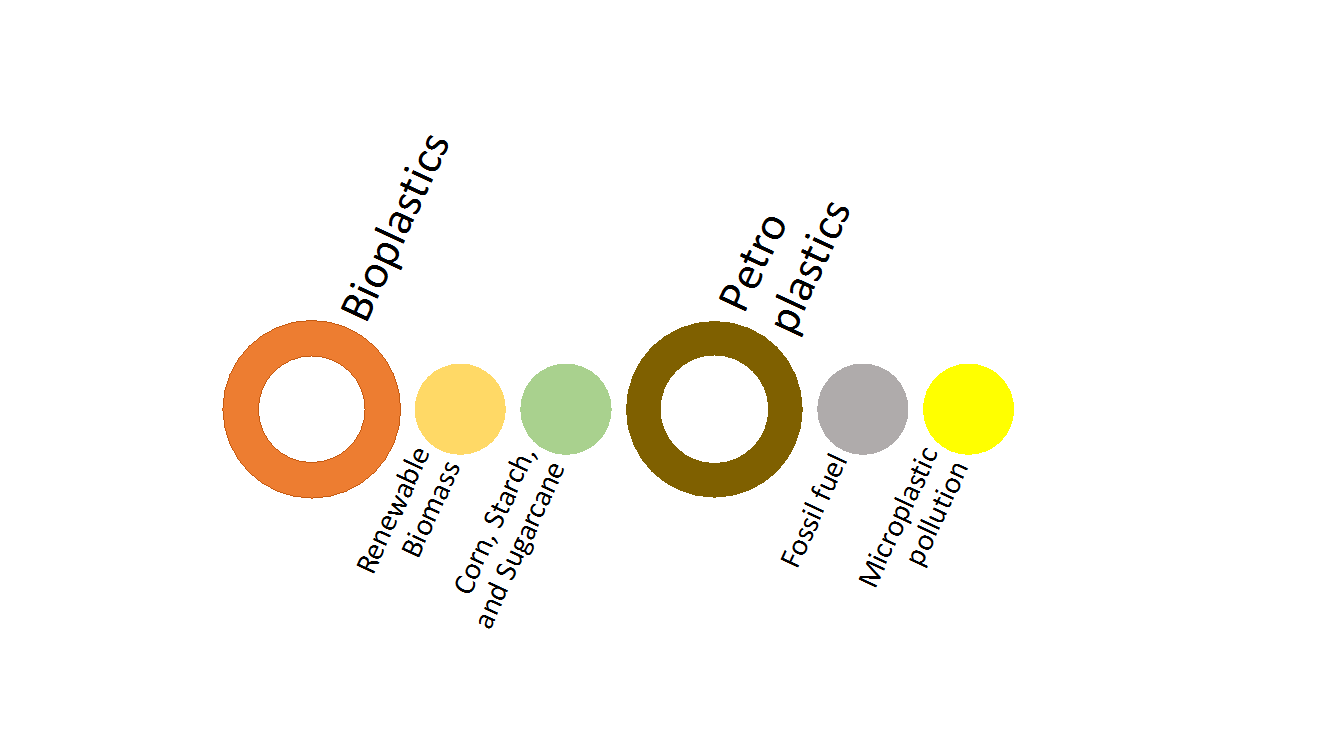
Fig. 4: Petro‑plastics are derived from fossil fuels, whereas biopolymer plastics produced from corn, starch, and sugarcane are biodegradable. Created by authors using BioRender/Servier Medical Art.
Machine learning and data-driven approaches in biodegradable polymer development
Machine learning (ML) has rapidly emerged as an indispensable tool in the development and optimisation of biodegradable polymers, transforming what was once a largely empirical and time-consuming materials discovery process into a more systematic, predictive, and data-driven discipline. Across the broader materials science landscape, machine learning now supports applications ranging from molecular property prediction and synthesis route optimisation to degradation kinetics modelling and field performance, forecasting new capabilities that are of direct and substantial relevance to the design of vegetable waste-derived biopolymers for agricultural use [23].
In the specific context of biopolymer development, regression models, decision trees, support vector machines, neural networks, and ensemble methods have been applied to tasks including the prediction of tensile strength, water vapour permeability, and soil biodegradation rate from polymer composition and processing parameters; the optimisation of extraction protocols for polysaccharides such as pectin, starch, and cellulose from vegetable residues; and the forecasting of agricultural performance metrics such as soil moisture retention efficiency, crop yield improvement, and fertiliser use efficiency under different agroclimatic conditions. These predictive applications dramatically reduce the experimental burden of parameter optimisation, enabling research teams to identify high-performance formulation spaces from thousands of candidate compositions using computational screening rather than exhaustive physical experimentation.
Integration of machine learning into biopolymer research is not merely a computational convenience as it represents a fundamental change in how the field generates, validates, and transfers knowledge. By building predictive models trained on large, heterogeneous datasets drawn from published literature, laboratory experimentation, and field trials, researchers can, for the first time, begin to identify universal structure-performance relationships in vegetable waste-derived biopolymers that transcend individual crop waste types, polymer chemistries, and geographic contexts. This capability is particularly valuable given the enormous chemical diversity of vegetable waste streams from the high-pectin rinds of citrus fruits to the lignin-rich stalks of brassicas and the protein-rich husks of legume which individually require tailored extraction, modification, and formulation strategies that would be impractical to optimise empirically across their full combinatorial space.
Molecular dynamics and computational chemistry integration
The integration of ML with molecular dynamics (MD) simulation represents a particularly powerful emerging approach for biodegradable polymer design. ML-accelerated force fields, trained on quantum mechanical calculations, can now simulate the degradation dynamics of PLA, PHB, and starch-based composites at timescales and system sizes previously computationally inaccessible. These simulations provide mechanistic insight into how polymer chain architecture, degree of crystallinity, and plasticiser content influence enzymatic hydrolysis rates-information directly applicable to the rational design of vegetable waste-derived biopolymers with tunable degradation profiles matched to specific agricultural application requirements, such as mulch film lifecycle or slow-release coating duration.
Generative models and inverse design
More recently, generative adversarial networks (GANs) and variational autoencoders (VAEs) have been applied to the inverse design problem in biopolymer science-that is, given a desired set of functional properties (specific tensile strength, target degradation period, required moisture barrier performance), generating novel polymer compositions and processing routes predicted to achieve those properties. While this approach remains at an early stage of validation in the vegetable waste biopolymer domain specifically, proof-of-concept demonstrations in related biopolymer systems suggest substantial potential for accelerating the development of application-optimized formulations derived from tomato pomace, potato starch residues, carrot fibre, onion skin pectin, and citrus peel polysaccharides.
Challenges and limitations of ML approaches
Despite their considerable promise, ML approaches in biodegradable polymer development face several important limitations that must be acknowledged. Data scarcity and heterogeneity represent the most fundamental challenge: the available datasets for vegetable waste-derived biopolymers are comparatively small, highly heterogeneous in measurement methodology, and frequently incompletely reported in the published literature, limiting the training data available for robust model development. Overfitting remains a persistent risk when complex models are trained on small datasets, and the interpretability of black-box models such as deep neural networks presents challenges for mechanistic understanding and regulatory acceptance. Furthermore, most existing ML models in this domain have been validated only under laboratory conditions, and their predictive accuracy under the far more variable and complex conditions of real agricultural field environments remains insufficiently evaluated. Addressing these limitations will require coordinated community efforts to develop standardised reporting protocols for biopolymer properties, curated open-access databases of vegetable waste biopolymer performance data, and benchmark datasets that enable rigorous comparison of competing modelling approaches. The integration of ML with domain expertise in polymer chemistry, soil science, and agronomy will be essential to ensure that data-driven insights translate into genuinely improved materials and agricultural outcomes rather than merely optimised laboratory curiosities.
Comparative analysis of global biopolymer standards and agricultural waste legislation
The legislative and regulatory landscape governing biodegradable polymers in agriculture varies enormously across the globe, with significant implications for the pace of adoption, the stringency of end-of-life performance requirements, and the degree of market certainty available to producers and agricultural users. A systematic comparative analysis of biopolymer-related agricultural legislation across more than one hundred countries, drawing on data from the 2024 Global Biopolymers Policy Dataset maintained by European Biopolymers and supplemented by national regulatory texts that reveals three broad regulatory archetypes that define the current international policy environment [24].
The first archetype encompasses jurisdictions with comprehensive, standards-based biopolymer frameworks, primarily the European Union member states, which regulate biodegradable agricultural mulch films under EN 17033 (specifying ecotoxicological, mechanical, and biodegradation performance criteria), and which mandate the phase-out of non-degradable single-use polymers in agricultural settings through the Single-Use Polymers Directive and its implementation regulations. These jurisdictions demonstrate the highest rates of biopolymer adoption in agriculture, with market penetration of certified biodegradable mulch films reaching 28–34% across southern European horticultural sectors. Quantitative Comparative Analysis (QCA) of regulatory effectiveness in these countries shows an average compliance and adoption efficiency rate of 85.7%, reflecting both the legal clarity of the standards framework and the availability of public incentive mechanisms, including agricultural subsidy reforms that discourage conventional plastic use [24].
The second archetype includes jurisdictions with emerging but fragmented regulatory attention, including India, Brazil, China, and several Southeast Asian nations where general plastic reduction legislation creates an enabling environment for biopolymers but where the absence of agriculture-specific standards, testing protocols for in-soil biodegradation, and eco-labelling schemes leaves producers and farmers without the regulatory certainty needed to justify investment in biopolymer infrastructure. In these markets, the average adoption efficiency rate falls to approximately 62.3%, reflecting the market uncertainty introduced by regulatory ambiguity [24]. The third archetype encompasses jurisdictions with no biopolymer-specific regulation, where conventional plastic use in agriculture continues without restriction and where biopolymers compete solely on a cost-performance basis against well-established petrochemical products-a competition that current biopolymer economics cannot reliably win without policy support. Bridging the regulatory gap between these archetypes is one of the most important leverage points for accelerating the global adoption of vegetable waste-derived biopolymers in sustainable agriculture.
Green technology investment and the emerging agri-biopolymer economy
Green technology is defined broadly as the application of environmental science, chemistry, and engineering to develop products and processes that reduce or eliminate negative environmental impacts. It has become one of the fastest-growing sectors of global investment, attracting over USD 1.8 trillion in climate and sustainability financing in 2023 alone. Within this broader green technology landscape, the biopolymer sector occupies a position of growing strategic importance, driven by the simultaneous pressures of tightening plastic regulation, improving bio-based feedstock economics, and expanding consumer and institutional demand for sustainable packaging, agricultural inputs, and biomedical materials.
Global biodegradable polymer market, valued at approximately USD 7.5 billion in 2023, is projected to grow at a compound annual growth rate of 14.5% through 2030, with agricultural applications, particularly mulch films, slow-release fertiliser coatings, and seed encapsulants, representing the fastest-growing end-use segment [25]. The economic logic driving investment in vegetable waste-derived biopolymers is compelling and multi-layered. On the supply side, vegetable processing waste including tomato pomace, potato starch residues, carrot fibre, onion skin pectin, spinach protein concentrates, and citrus peel polysaccharides represents a feedstock that is simultaneously abundant (globally exceeding 300 million tonnes per year from the processed food industry alone), low cost (often available at negative cost as a waste disposal problem for processors), and chemically rich in biopolymer precursors that require only moderate processing to achieve agricultural-grade functional specifications. On the demand side, agricultural markets in Europe, North America, and increasingly Asia are demonstrating clear willingness-to-pay premiums for certified sustainable agricultural inputs, creating commercial headroom for biopolymer products even at current price points that are 20–60% above conventional plastic equivalents [25].
This convergence of supply-side feedstock economics and demand-side market pull is attracting investment from a diversified range of actors including multinational agrochemical corporations pursuing sustainability commitments, regional food processing companies seeking circular economy value from waste streams, dedicated green chemistry startups, and public research institutions supported by EU Green Deal funding, USDA Bio preferred programme grants, and national bioeconomy strategies in India, China, and Brazil. The result is a rapidly evolving innovation ecosystem in which advances in biopolymer synthesis, processing, and field performance are being generated simultaneously across academic, industrial, and policy dimensions-creating an unusual degree of translational momentum that distinguishes the current moment from earlier, less commercially connected phases of biopolymer research.
Green chemistry in sustainable material development
Green toxicology reduces human exposure and environmental damage by using predictive toxicology to create safer and more sustainable chemicals and materials. Based on the ideas of green chemistry and green engineering, it places a strong emphasis on creating products that are safe, good for the environment, and profitable from the very beginning. To incorporate safety considerations into material design using cutting-edge in vitro and in silico tools, toxicologists and chemists must work together. Additionally, the idea supports sophisticated testing techniques like read-across methods, omics technologies, and alternatives to animal testing. Green toxicology addresses public health, environmental, and regulatory issues while promoting safer manufacturing practices [26].
Green chemistry focuses on efficient use of materials and energy, renewable resources, and reduced hazard design. It presents examples from various fields such as catalysis, alternative solvents, analytical chemistry, polymer science, and toxicology not exhaustive due to the rapid global growth of green chemistry research and applications. Lignin-based adhesives are emerging as sustainable alternatives to petroleum-derived resins such as urea–formaldehyde and phenol–formaldehyde, particularly in the plywood industry. However, the low reactivity and condensed structure of industrial lignin have limited their application. This study introduces a novel one-pot triple-functional modification strategy using an alkaline deep eutectic solvent (ADES) to simultaneously depolymerize, demethoxylate, and hydroxymethylate lignin (fig. 5). The resulting fully lignin-based adhesive demonstrates strong performance, achieving high dry and wet bonding strengths that exceed Chinese National Standards, while maintaining very low formaldehyde emissions below international safety limits. Overall, the approach supports green chemistry principles by eliminating hazardous chemicals, utilizing industrial lignin waste, and enabling solvent recovery, offering a scalable and eco-friendly solution for bio-based plywood adhesives [27].
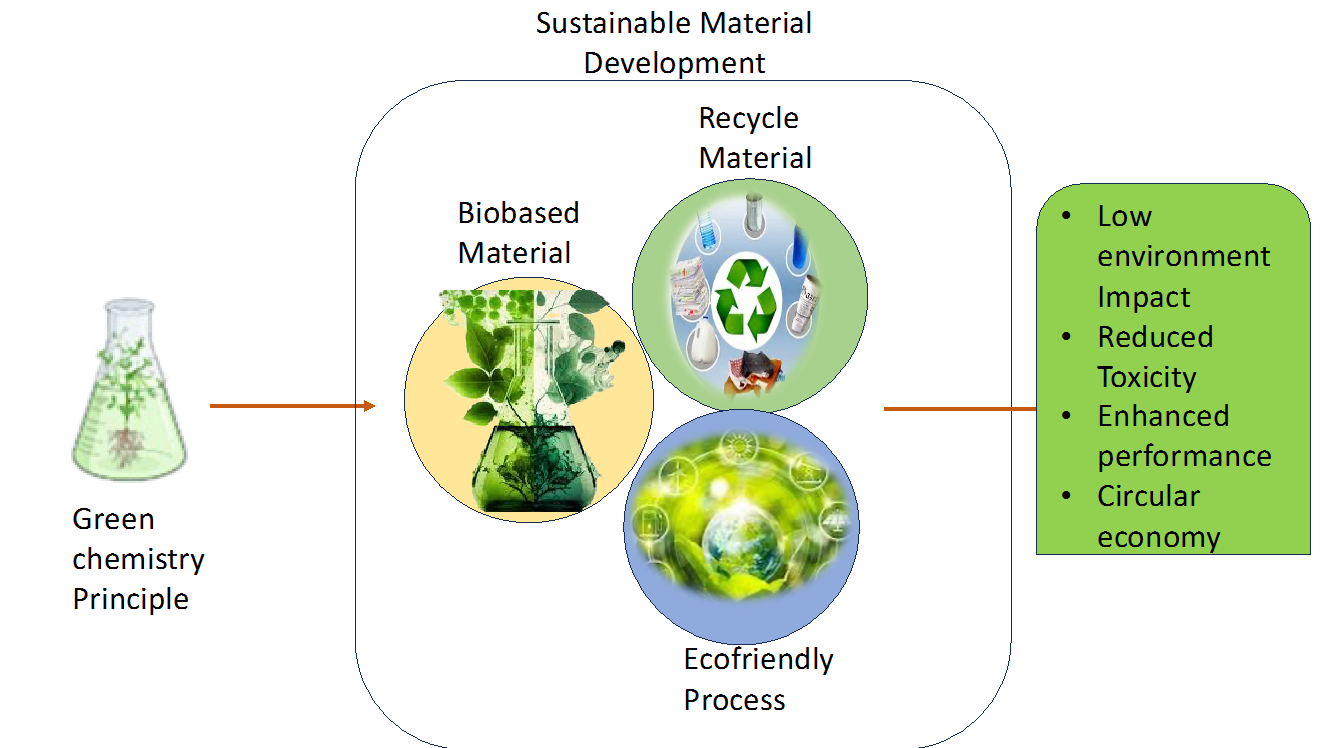
Fig. 5: Based on the twelve principles of green chemistry articulated by Anastas and Warner (1998) diagram illustrates how the core principles of green chemistry reduction of hazardous substances, energy efficiency, and use of renewable resources guide sustainable material strategies, including biobased materials, recycled materials, and eco-friendly processes.
Green synthesis approaches in polymer science
The eco-friendly fabrication of nanoparticles has attracted considerable interest as a sustainable alternative to traditional chemical and physical approaches, utilizing biological sources such as plants, bacteria, fungi, and algae. This method significantly reduces the reliance on toxic reagents, lowers energy requirements, and enhances the biocompatibility of the resulting nanomaterials, making them highly suitable for biomedical and environmental applications. The role of bioactive molecules in stabilizing nanoparticles and improving their functional properties. Special attention is given to biomedical applications, where biosynthesized nanoparticles show strong potential in drug delivery, bioimaging, antimicrobial treatments, and cancer therapy. Compared with conventional nanoparticles, these green-produced nanomaterials offer benefits such as targeted action, minimized adverse effects, and enhanced therapeutic performance. Large-scale production, reproducibility of synthesis methods, and a comprehensive understanding of the complex mechanisms governing nanoparticle formation and surface modification, future research perspectives are suggested to address these limitations, including refinement of synthesis parameters, detailed mechanistic investigations, and the development of more reliable and standardized protocols [28]. The following table summarizes various green synthesis strategies employed in polymer science, highlighting their methodologies, key features, and applications (table 1).
Table 1: Green polymer synthesis integrates renewable resources, safer solvents, energy-efficient techniques, and waste minimization strategies. Advanced methods such as “RDRP = Reversible-Deactivation Radical Polymerization; ATRP = Atom Transfer Radical Polymerization; RAFT = Reversible Addition-Fragmentation Chain-Transfer” utilization enhance precision while maintaining sustainability. Meanwhile, biological and plant-mediated approaches (phytochemical-assisted nanoparticle/polymer synthesis) are particularly relevant offering biocompatibility and low environmental impact.
| S. No. | Approach | Principle | Key features | Applications | References |
| 1 | Renewable Feedstocks | Use of biomass (starch, cellulose, lignin) | Sustainable, biodegradable | Biopolymers | [29] |
| 2 | Green Solvents | Water, ionic liquids, supercritical CO₂ | Non-toxic, recyclable | Coatings, composites | [30] |
| 3 | Solvent-Free Polymerization | Bulk/melt polymerization | No solvent waste | Industrial polymers | [31] |
| 4 | Enzymatic Polymerization | Enzyme-catalyzed reactions | Mild conditions, selective | Biomedical polymers | [32] |
| 5 | Surfactant-Free Emulsion Polymerization | Water-based polymerization | Low toxicity | Latex, coatings | [33] |
| 6 | Miniemulsion Polymerization | Nanoscale droplets polymerization | Controlled particle size | Nanopolymers | [34] |
| 7 | Plant Extract Mediated Synthesis | Phytochemicals as reducing agents | Eco-friendly | Nanocomposites | [35] |
| 8 | Sol–Gel Process (Green) | Hydrolysis-condensation | Low temp synthesis | Hybrid polymers | [36] |
| 9 | Ring-Opening Polymerization | Bio-based monomers (PLA, PCL) | Biodegradable | Medical implants | [37] |
| 10 | Microwave-Assisted Polymerization | Rapid heating via microwaves | Energy-efficient | Smart materials | [38] |
| 11 | Ultrasound-Assisted Polymerization | Acoustic cavitation | Fast reactions | Nanomaterials | [39] |
| 12 | Photopolymerization (UV/Visible Light) | Light-initiated reactions | Low energy, precise control | Coatings, adhesives | [40] |
| 13 | Supercritical Fluid Polymerization | CO₂ as solvent | Green medium | Foams, composites | [41] |
| 14 | Reversible-Deactivation Radical Polymerization (RDRP) | Controlled radical processes (ATRP, RAFT) | Precision polymer design | Advanced materials | [42] |
| 15 | Click Chemistry | High-yield modular reactions | Minimal by-products | Functional polymers | [40] |
| 16 | CO₂-Based Polymer Synthesis | CO₂ incorporation into polymers | Reduces greenhouse gas | Polycarbonates | [43] |
| 17 | Plasma-Induced Polymerization | Plasma energy activation | Solvent-free | Surface coatings | [44] |
| 18 | Electrochemical Polymerization | Polymer formation via redox reactions | Controlled synthesis | Conducting polymers | [45] |
| 19 | Biodegradable Polymer Design | Designing eco-degradable polymers | Reduces pollution | Packaging | [46] |
| 20 | Recycling-Based Polymer Synthesis (Upcycling) | Waste polymers reused as raw material | Circular economy | Sustainable polymers | [47] |
Industrial activities significantly contribute to environmental contamination and negatively impact the development of sustainable materials. In this context, the eco-friendly production of biomass-derived carbon nanomaterials has attracted considerable interest as a renewable and sustainable alternative that minimizes reliance on fossil-based resources.
These nanostructured materials possess exceptional physicochemical properties, such as large surface area, adjustable porosity, rich surface functionalities, and high structural stability, which improve their effectiveness in environmental cleanup applications. Carbon nanomaterials obtained from biomass have shown excellent performance as adsorbents for eliminating heavy metals and organic contaminants, as well as photocatalysts for breaking down hazardous substances under visible light exposure. The structural and functional characteristics of these materials are strongly affected by the nature and pretreatment of the biomass precursor, as well as synthesis conditions including carbonization temperature, activation methods, and heteroatom incorporation [48].
Eco-friendly hydrogels show significant potential for biomedical use; however, their practical application is often restricted by poor mechanical strength. A chitosan (CS)-reinforced polyvinyl alcohol (PVA) hydrogel was developed using a sustainable freeze–thaw technique, resulting in simultaneous improvement of mechanical durability and antimicrobial performance (fig. 6). The incorporation of 3 wt% chitosan enhanced the compressive strength from 0.36 MPa (pure PVA) to 2.92 MPa at 80% strain, while preserving more than 80% structural recovery after repeated compression cycles.
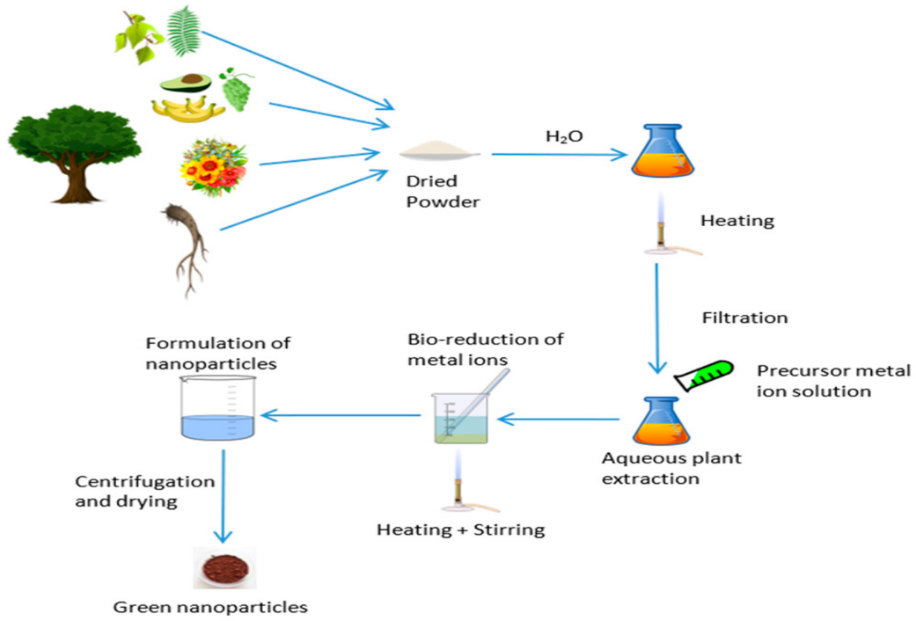
Fig. 6: The eco-friendly fabrication of nanoparticles utilizes biological sources such as plants and natural extracts [49]. Reprinted/adapted from [49] under creative commons license.
Vegetable waste as a renewable resource
Postharvest losses in horticultural crops are a significant global issue, mainly due to microbial decay, physiological damage, and mechanical injuries during storage and transportation. At the same time, the agri-food sector produces large amounts of postharvest residues like, peels, seeds, and pomace that are discarded although being rich in valuable bioactive compounds and nutrients. Green extraction contains bioactive materials and serves as natural preservatives and biocontrol agent. It has applications in edible coatings, biodegradable films, and packaging, as well as microbial fermentation [50]. Postharvest residues are generated during the handling, processing, distribution, storage, and consumption of agricultural products. They include a diverse array of materials that are frequently disposed of because of insufficient value-addition approaches, limited processing facilities, or a lack of awareness regarding their potential for reuse and resource recovery [51].
Food loss and waste (FLW) occur throughout the food supply chain and pose serious food security, environmental, economic, and social challenges worldwide. Fresh fruits and vegetables account for over 40% of global FLW due to their high perishability. In developing countries, most losses occur at the farm and postharvest handling stages, largely because small-hold farmers face financial and geographic constraints that limit access to modern storage, cooling, and packaging technologies. In contrast, developed countries experience higher waste at retail and consumer levels, mainly due to inefficient logistics, improper storage, and consumer behaviour. Cost-effective and accessible solutions are essential to reduce postharvest losses (PHL).
In developing regions, low-cost technologies such as shading, evaporative cooling, zero-energy cooling chambers, pot-in-pot systems, and affordable packaging can significantly minimize losses. In developed countries, advanced tools like biosensors, 1-methylcyclopropene (1-MCP), and image processing technologies are used to monitor and maintain produce quality. A case study on India’s tomato supply chain highlights significant PHL due to improper storage, long-distance transport, and poor handling practices. Despite available technologies, adoption remains limited. The study recommends temperature-controlled storage facilities and improved collaboration among supply chain stakeholders as practical and feasible strategies to reduce losses and improve overall supply chain efficiency [52].
Market-derived organic waste, including materials such as tomatoes, potatoes, onions, and other produce, represents a significant resource for sustainable waste management and recycling initiatives. These are rich in biodegradable material and convert into compost, biogas, or animal feed [53]. Natural resources, circular economy strategies are increasingly important for sustainable environmental management. Agricultural waste has gained global attention due to its potential to reduce greenhouse gas (GHG) emissions and support carbon neutrality. Although agriculture contributes to environmental problems such as soil degradation and nutrient leaching, agroforestry biomass can be converted into valuable products like biogas and biochar through pyrolysis. While high investment costs limit the adoption of advanced technologies, biochar production remains an attractive solution for addressing climate and environmental challenges. Biomass Intermediate Pyrolysis Poly-generation (BIPP), particularly in China, represents a promising approach for agricultural waste management [54].
Although agriculture may generate less waste at a national level compared to other sectors, it produces a wide variety of both natural and synthetic wastes, each posing unique environmental, public health, and management challenges (fig. 7). These wastes include manures, crop residues, green waste, pesticides, animal carcasses, silage effluent, dairy waste, and materials such as polymers and oils. Due to the specific characteristics of agricultural activities, some waste streams may contain hazardous contaminants and require specialized management approaches [55].
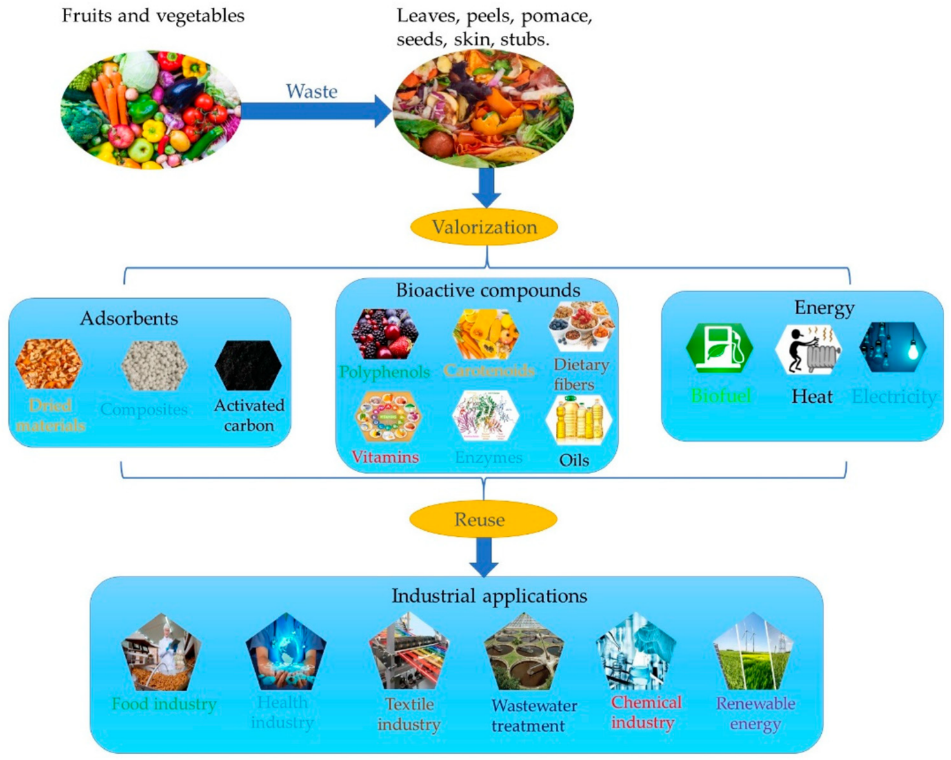
Fig. 7: It has been widely reported that fruit and vegetable wastes, such as citrus, banana, apple, grape, mango, potato, tomato, cabbage, carrot, cauliflower, and broccoli, can be turned into effective adsorbents for cleaning water [56].
To optimize the evaluation of the most prevalent valorisation methods for fruit and vegetable waste (FVW) that are environmentally sustainable, economically viable, and aligned with a circular economy model. The focus is on green processing technologies for getting bioactive compounds out of FVW, how they can be used, and how to do a techno-economic assessment of FVW biorefineries to help a circular economy.
Bioactive compounds, pectin, protein isolates like soy, and natural pigments like anthocyanins, quinones, carotenoids, betalains, and chlorophyll are some of the most important value-added products that come from FVW. At this time, FVW can be used in many different areas, including food supplements, bioactive and edible food packaging, agriculture, energy production, and water purification.
The proper management of FVW not only cuts down on landfill waste when composting isn't an option, but it also makes better use of resources to create new materials that can be used in a variety of useful ways. If the proposed strategies were put into action, they would greatly reduce the impact on the environment and at the same time create new economic opportunities by making use of FVW [57].
Types of vegetable waste generated in Central India
A study of fifteen five-star hotels in India's National Capital Region counted the amount of mixed fruit and vegetable waste and made a model waste that included peels from pineapple, papaya, potato, pomegranate, apple, onion, and citrus. A two-level optimization strategy was used to get the most bioactive phytochemicals and antioxidant capacity back. Level I looked at the type of sample, the extraction method, the solvent system, and the pre-treatment with dichloromethane (DCM). Level II found the best solvent concentration and extraction time for both DCM-treated and non-treated samples. The best conditions were found to be samples that had not been treated with DCM, were dried in a vacuum, and were extracted with ultrasound for 60 min using about 63% acetone.
In these conditions, there were a lot of total extractable phytochemicals, mostly polyphenols and flavonoids, with smaller amounts of flavones and flavanols. Both the ABTS (aqueous phase) and DPPH (organic phase) tests showed that the antioxidant capacity was high. Preliminary profiling identified valuable compounds including gallic acid, ferulic acid, rutin, and catechin. In Central India, especially in Rajasthan, Madhya Pradesh, and Chhattisgarh, a lot of vegetable waste is generated during harvesting, processing, transportation, and market handling. It is because these states are major vegetable-producing states where supply chains remain fragmented. Harvesting, transportation, and market handling often occur without adequate cold storage or processing facilities, leading to spoilage. Climatic stress, bulk mandi operations, and limited value‑addition infrastructure further amplify vegetable waste generation. This waste is a big part of the agro-residual biomass that is made. People often throw away these wastes, like peels, seeds, pomace, and non-edible plant parts, even though they are full of useful phytochemicals, dietary fibres, and bioactive compounds. There has been more and more scientific interest in using them in a way that is good for the environment for value-added uses like biopolymers, nanoparticles, biofertilizers, and nutraceuticals. The table below shows the main types of vegetable waste, what they are made of, and possible uses, along with some sources (table 2).
Table 2: Vegetable wastes such as potato, onion, and garlic peels are rich in bioactive compounds, antioxidants, and fibres, making them highly valuable for biotechnological applications. The potential applications listed represent documented uses in peer-reviewed literature.
| S. No. | Type of vegetable waste | Source vegetable | Nature of waste | Major components | Potential utilization | Reference |
| 1 | Potato Peels | Solanum tuberosum | Processing waste | Starch, phenolics, glycoalkaloids | Biopolymers, bioethanol | [58] |
| 2 | Onion Skins | Allium cepa | Dry outer layers | Flavonoids (quercetin), fiber | Antioxidants, dyes | [59] |
| 3 | Garlic Peels | Allium sativum | Processing waste | Sulfur compounds (allicin) | Antimicrobial agents | [60] |
| 4 | Tomato Pomace | Solanum lycopersicum | Seeds+skin | Lycopene, fiber | Feed, oil extraction | [61] |
| 5 | Cabbage Outer Leaves | Brassica oleracea | Discarded leaves | Fiber, glucosinolates | Compost, biofertilizer | [62] |
| 6 | Cauliflower Stalks | Brassica oleracea | Stems | Cellulose, lignin | Fiber extraction | [63] |
| 7 | Pea Pods | Pisum sativum | Shell waste | Protein, dietary fiber | Animal feed | [64] |
| 8 | Carrot Peels | Daucus carota | Processing waste | β-carotene, fiber | Nutraceuticals | [65] |
| 9 | Brinjal Waste | Solanum melongena | Spoiled parts | Anthocyanins | Compost, extracts | [66] |
| 10 | Spinach Stems | Spinacia oleracea | Non-edible stems | Iron, fiber | Vermicompost | [67] |
| 11 | Radish Peels | Raphanus sativus | Peel waste | Fatty acids, fiber | Biofertilizer | [68] |
| 12 | Bottle Gourd Peels | Lagenaria siceraria | Outer peel | Fiber, minerals | Biocomposites | [69] |
| 13 | Pumpkin Rinds and Seeds | Cucurbita maxima | Shell and seeds | Oils, carotenoids | Oil extraction | [70] |
| 14 | Okra Residues | Abelmoschus esculentus | Fibrous waste | Mucilage, polysaccharides | Biopolymer films | [71] |
| 15 | Chili Stalks and Seeds | Capsicum annuum | Processing waste | Capsaicin, oils | Biopesticides | [72] |
Scalability: from laboratory to industrial production
Scaling the synthesis of biodegradable polymers derived from vegetable waste from bench-scale laboratory procedures to continuous, industrial-scale manufacturing represents one of the most formidable bottlenecks on the pathway from scientific innovation to commercial reality. At the laboratory level, highly controlled experimental conditions-uniform feedstock composition, precisely regulated reaction temperatures, and tightly managed solvent systems-yield polymers with reproducible and predictable physicochemical properties. However, the moment production transitions to pilot or industrial scales, a cascade of interrelated challenges fundamentally alters both process dynamics and product quality. Chief among these is the intrinsic heterogeneity of vegetable-waste feedstocks. Agricultural residues such as tomato pomace, orange peel, sugarcane bagasse, pineapple processing waste, and rice straw vary markedly in their composition of cellulose, hemicellulose, pectin, lignin, and moisture content depending on crop cultivar, growth season, regional soil conditions, post-harvest handling practices, and duration of storage. The Food and Agriculture Organization (FAO) estimates that 20–30% of fruits and vegetables are lost as waste during post-harvest handling globally, yet this enormous potential feedstock reservoir is compositionally inconsistent at the industrial input level. Such feedstock variability directly translates to batch-to-batch fluctuations in extracted biopolymer yield, molecular weight distribution, degree of crystallinity, and consequently mechanical performance—parameters that are tightly specification-controlled in any industrial polymer product. Addressing feedstock heterogeneity demands the implementation of upstream standardisation protocols including enzymatic pre-treatment, chemical fractionation, and standardised drying and milling operations, all of which add significant capital and operational cost to the production chain. Beyond feedstock inconsistency, the unit operations required for polymer extraction and processing-fermentation, enzymatic hydrolysis, solvent extraction, precipitation, drying, and compounding-present their own scale-up difficulties. Scalability is limited by factors such as feedstock heterogeneity, the presence of interfering compounds, and variability in extraction efficiency; additionally, environmental aspects, including solvent recovery, energy consumption, and post-processing waste management must be incorporated for the process to be considered genuinely sustainable. Microbial fermentation routes for polyhydroxyalkanoate (PHA) synthesis, for example, require substantial infrastructure investment in bioreactor design, sterile cultivation media supply, downstream cell disruption, and solvent-based polymer recovery steps that are technically manageable at the kilogram scale but become engineering challenges of significant magnitude at the tonne-per-day scale required for agricultural applications. Process optimisation at an industrial scale must reconcile competing objectives: maximising volumetric productivity and polymer molecular weight while minimising energy input, water usage, and waste generation. Continuous bioprocessing paradigms and advanced process analytical technology (PAT) offer promising routes to achieving these objectives, but their adoption in the biopolymer sector remains nascent compared to the mature process infrastructure of the petrochemical plastics industry. Infrastructure requirements further compound the scalability challenge. The biopolymer sector currently operates at a small fraction of the production volume of conventional plastics, with global bioplastics production reaching approximately 4.2 million tons in 2024 against a global synthetic plastic output of 400 million tons annually. This tenfold-plus gap means that the specialist equipment, skilled technical workforce, supply chain logistics, and quality management systems required for industrial biopolymer production from vegetable waste are not yet widely available. Dedicated pre-treatment facilities near agricultural waste generation sites, cold-chain logistics for perishable biomass, and centralised refining infrastructure all demand coordinated investment from multiple stakeholders, including agro-industrial enterprises, polymer manufacturers, and government bodies. Without this investment, laboratory-proven polymer chemistries will remain confined to demonstration-scale facilities, unable to deliver the tonne-scale product volumes required by agrochemical formulators, seed-coating manufacturers, or controlled-release fertiliser producers. Strategic deployment of biorefinery frameworks-in which polymer synthesis is co-located with other value-extraction streams such as biogas production, compost manufacture, and pigment recovery-offers a compelling model for distributing fixed infrastructure costs across multiple revenue streams, thereby improving the economic case for scale-up.
Commercialisation barriers: regulatory, certification, and market challenges
Even where the technical challenges of scaling production are resolved, biodegradable polymers derived from vegetable waste face a complex and multidimensional landscape of commercialisation barriers that restrict their uptake in agricultural markets. The most immediate of these is the regulatory environment, which, although increasingly supportive at the policy level, remains fragmented and inconsistent across jurisdictions. Certification of biodegradability and compost ability for soil-contact agricultural applications requires compliance with internationally recognised standards including EN 17033 in the European Union, ASTM D6400 and ISO 17088 in North America and globally. These standards mandate that a material achieves ≥90% mineralisation of its organic carbon to CO2 within 24 mo under controlled laboratory conditions, and they additionally impose ecotoxicology requirements for soil organisms and plant growth. While these certification pathways exist, obtaining them is both time-consuming and expensive, requiring specialised third-party laboratory testing, documentation of polymer composition and additive profiles, and periodic batch re-testing when manufacturing parameters change. For small and medium-sized enterprises (SMEs) producing biopolymers from vegetable waste at pilot scale, the cost and timeline of certification can represent an insurmountable barrier to market entry, effectively protecting established large-scale producers at the expense of innovative new entrants. Labelling and communication standards further complicate the regulatory landscape. The terms "biodegradable", "compostable", "bio-based,", and "eco-friendly" are used inconsistently in consumer-facing product claims, generating greenwashing concerns that have prompted regulatory scrutiny in both the EU and the United States. The European Union's Green Claims Directive, under development in 2024–2025, seeks to prohibit unsubstantiated sustainability claims and mandate third-party verification-a development that, while positive for long-term consumer trust, places additional compliance burdens on vegetable-waste biopolymer producers who may not have the resources to meet forthcoming documentation requirements. Strict certification and labelling standards in the EU (e. g., EN 13432 for compostability) and North America (ASTM D6400, BPI certification) can create non-tariff barriers for producers in Asia, Latin America, and South Asia, where significant vegetable-waste feedstock availability intersects with developing manufacturing sectors but where access to international certification infrastructure is limited. Market acceptance constitutes a further dimension of the commercialisation challenge that operates through both demand-side and supply-side mechanisms. On the demand side, farmers and agronomists who represent the primary end-users of biodegradable mulch films, seed coatings, controlled-release fertiliser encapsulants, and soil conditioners derived from vegetable-waste biopolymers tend to be risk-averse and value proven, multi-season performance data over novel material chemistries. Consumer awareness of the environmental benefits of biopolymers in the agricultural supply chain remains low in many key markets, despite growing retail and institutional procurement commitments to sustainable packaging and materials. On the supply side, the agricultural chemicals and inputs sector has historically relied on petrochemical polymer supply chains that are deeply integrated, competitively priced, and technically well-characterized; displacing these with biopolymer alternatives requires not only a cost-competitive product but also demonstrated equivalence or superiority in functional performance-properties such as moisture retention, UV resistance, mechanical durability under field mechanical stress, and compatibility with standard farm equipment. Policy incentives have been identified as a critical lever for bridging the gap between the current market equilibrium-dominated by low-cost petroplastics and a future state in which biopolymers command a meaningful market share. Extended Producer Responsibility (EPR) schemes, green procurement mandates for public-sector agricultural programmes, tax rebates for verified compostable agricultural inputs, and ring-fenced funding for demonstration farm projects represent the toolkit available to policymakers seeking to accelerate commercialisation without distorting markets. Compliance-driven procurement is expected to contribute approximately 40–50% of incremental bioplastics demand through 2032 according to recent market analyses, underscoring the pivotal role of regulatory pull in transforming laboratory-developed biopolymers into commercially viable agricultural materials.
Economic feasibility: cost structures, subsidies, and supply chain competitiveness
Petroleum-based polyethylene (PE), polypropylene (PP), and low-density polyethylene (LDPE) the dominant materials in conventional agricultural mulch films, seed coatings, and slow-release encapsulants, are priced at approximately USD 1.65 per kilogram under typical market conditions, benefitting from decades of process optimisation, mature supply chains, and massive economies of scale at the hundred-million-tonne-per-year production level. By contrast, bioplastics such as PLAs, PHAs, and thermoplastic starch (TPS) typically carry market prices ranging from USD 2.65 to USD 6.68 per kilogram, representing a cost premium of 60% to over 300% relative to conventional plastics. However, this market-price comparison substantially misrepresents the true economic picture by omitting the enormous environmental and social costs externalised by the conventional plastics value chain. A 2021 WWF report estimated that the full lifecycle cost of conventional plastic to the environment and society is at least ten times higher than its market price as paid by primary plastic producers, translating to an estimated lifetime external cost of at least USD 3.7 trillion for the plastic produced in 2019 alone. This cost is borne by public health systems, fisheries, agricultural land remediation programmes, and waste management infrastructure rather than by plastic producers or consumers, creating a profound subsidy for conventional plastics that distorts the economic comparison with biopolymers. Furthermore, The traditional plastics industry benefits from substantial government and economic support linked to fossil fuels, and the amount of this support is much greater than the funding available for the bioplastics industry. According to the Center for International Environmental Law, Saudi Arabia alone directed plastics subsidies in 2024 exceeding twenty times the combined GDP of multiple Pacific Island nations. When these externalities and subsidies are brought into the cost accounting framework as is increasingly mandated by LCA methodologies and green accounting standards, the economic case for vegetable-waste biopolymers becomes substantially stronger than raw market prices suggest. The cost trajectory for vegetable-waste biopolymers is also fundamentally dynamic. Production costs for bioplastics are expected to fall as production volumes scale up, consistent with the well-established learning-curve and economies-of-scale relationships observed in analogous green technology sectors such as solar photovoltaics and lithium-ion batteries. The global biobased polymer production capacity has been growing at an estimated compound annual growth rate of approximately 14%, and industry forecasts projected this growth to continue through 2027, as production approaches the multi-million-tonne scale, unit costs are projected to decrease substantially. Supply chain integration offers a further avenue for cost reduction: the co-location of vegetable-waste biopolymer production with primary agro-industrial processors-tomato canneries, fruit juice manufacturers, sugarcane refineries, eliminates feedstock transportation costs and enables shared utility infrastructure. Value extraction from co-products, including biogas, compost, and extracted pigments within a biorefinery model, further improves unit economics by distributing fixed costs across multiple revenue streams. Government support mechanisms, including public-private partnership production credits, green bond financing for demonstration plants, accelerated depreciation for bio-based manufacturing equipment, and guaranteed minimum off-take agreements for public sector agricultural programmes are identified in the policy literature as essential instruments for de-risking early-stage capital investment and enabling biopolymer producers to achieve the commercial throughput at which scale-driven cost reductions materialise. Without such support, the coordination failure in which investors require proven commercial viability before committing capital, while commercial viability cannot be demonstrated without capital investment, will continue to suppress the economic development of the vegetable-waste biopolymer sector.
Long-term degradation performance: field data, climatic variability, and the laboratory-reality gap
The long-term degradation performance of biodegradable polymers in agricultural soils represents one of the most critically evaluated and in many respects most misunderstood aspects of their environmental value proposition. Biodegradation in field soils has been shown to take much longer than in controlled laboratory tests; one modeling-based study estimated that it can take 21–58 mo to reach 90% degradation when assessed by recovery of mulch fragments collected from real agricultural fields, compared to the ≤24 mo specified for certification under laboratory conditions. Using thermal-time modelling, researchers estimated that achieving the thermal accumulation equivalent to a standard two-year laboratory test would require approximately 34 mo in Watsonville, California, and 32 mo in Fresno, California locations with relatively favourable warm-season climates. In cooler or more variable climatic zones, the projected timeline extends considerably further. The fundamental driver of this laboratory-to-field discrepancy is the sensitivity of polymer biodegradation kinetics to environmental variables that are tightly controlled in laboratory protocols but highly variable in agricultural field settings. Soil temperature, moisture content, pH, oxygen availability, microbial community composition and diversity, and the presence of competing organic substrates all modulate the rate at which extracellular hydrolytic enzymes, primarily cutinases and lipases, secreted by soil bacteria and fungi, depolymerize the ester bonds in polymers such as PBAT, PLA, PHA, and TPS blends. Biodegradation may take several years under field conditions, where soil temperatures and moisture may only seasonally be conducive to biodegradation, and degradation rates may vary greatly by climatic region. For example, field studies of PBAT and PLA-based mulch films in Mediterranean climates documented surface-area reductions of 61–83% after 36 mo in Tennessee soils, but only 26–63% in the cooler Washington State soils over the same period, with corresponding differences in compost-environment degradation (85–99% in 18 w) revealing the stark influence of temperature and microbial activity on degradation kinetics. Weight loss measurements in soil incubation studies further underscore these disparities: after 180 days of soil incubation under ambient laboratory conditions, weight loss values of only 1.1–8.0% for PLA and 0.8–6.8% for PBAT were recorded, dramatically below the trajectory implied by the standard laboratory certification test conditions. The implications of this laboratory-field performance gap extend beyond academic concern to practical agricultural and environmental risk assessment. If biopolymer mulch films degrade more slowly than predicted under cold, arid, or low-microbial-activity field conditions, there is potential hazard for accumulation of intermediate degradation products, including macrofragments, microfragments, and oligomeric hydrolysis products in the soil profile across successive growing seasons. The formation of biodegradable microplastics during fragmentation prior to complete mineralisation is a recognised concern; studies have reported the presence of thousands of plastic items per g of soil following degradation of poly(p-dioxanone) under field conditions. Long-term field monitoring data across diverse pedo-climatic zones remain scarce, creating a critical evidence gap between the certification promises made by laboratory testing and the agronomic reality encountered by farmers. Future research must prioritise multi-season, multi-site field trials under contrasting temperature, moisture, and soil microbiology regimes, coupled with advanced analytical characterisation including isotopic tracing, FTIR micro-spectroscopy, and molecular weight profiling, to build the robust field-performance dataset required to underpin revised certification standards and credible agronomic guidance for biodegradable polymer use in sustainable agriculture.
Conclusion
The extensive use of conventional polymers in agriculture, while beneficial for enhancing crop productivity and resource efficiency, has resulted in the persistent accumulation of plastic in soil ecosystems, posing significant risks to soil health, microbial balance, and food safety. This growing environmental concern highlights the urgent need for sustainable alternatives that can maintain agricultural efficiency without compromising ecological integrity. Biodegradable polymers have emerged as a promising solution due to their ability to decompose into environmentally benign products such as carbon dioxide, water, and biomass under microbial action. Compared to petroleum-based polymers, these materials offer advantages in terms of reduced persistence, lower toxicity, and improved environmental compatibility. Furthermore, the integration of green chemistry principles in polymer synthesis, emphasizing renewable feedstocks, non-toxic reagents, and energy-efficient processes, strengthens the sustainability profile of these materials. A key advancement discussed in this review is the utilization of vegetable waste as a renewable and cost-effective feedstock for biopolymer production. This approach not only reduces agro-waste accumulation but also supports circular economy strategies by converting waste into value-added products. Despite these advantages, challenges such as scalability, cost-effectiveness, mechanical performance, and incomplete degradation under field conditions remain critical barriers to large-scale adoption. Future research should focus on improving material performance, optimizing degradation rates under real agricultural conditions, and developing standardized evaluation protocols. In addition, strong policy support, farmer awareness, and industry collaboration will be essential to accelerate the transition toward sustainable agricultural practices. Overall, the combined application of biodegradable polymers, green synthesis approaches, and waste valorisation strategies offers a viable pathway to mitigate plastic pollution and ensure long-term soil and environmental sustainability.
AI Use Disclosure Statement
The author used ChatGPT, Claude AI and Copilot for grammar checking and improving sentence clarity. The author reviewed and edited the output and takes full responsibility for the final content.
Add Data Availability Statement
The datasets generated and/or analyzed during the current study are available from the corresponding author on reasonable request.
Authors Contributions
Sakina Kagdi was primarily responsible for conducting the literature survey, compiling relevant research articles, analyzing data, and drafting the initial manuscript. Dr. Arun Sharma provided conceptual guidance, critical revisions, and overall direction for structuring the review. Both authors contributed to refining the content, ensuring accuracy, and approved the final version of the manuscript.
Conflicts of Interests
The authors declare no conflict of interest.
References
Lakhiar IA, Yan H, Zhang J, Wang G, Deng S, Bao R. Plastic pollution in agriculture as a threat to food security the ecosystem and the environment: an overview. Agronomy. 2024;14(3):548. doi: 10.3390/agronomy14030548.
Sa’adu I, Farsang A. Plastic contamination in agricultural soils: a review. Environ Sci Eur. 2023;35(1):2-11. doi: 10.1186/s12302-023-00720-9.
Wright AC, Boots B, Ings TC, Green DS. Above- and below-ground field study on the impacts of conventional and alternative mesoplastics on Hordeum vulgare growth and soil invertebrate communities. Chemosphere. 2024;365:143393. doi: 10.1016/j.chemosphere.2024.143393, PMID 39307466.
Hofmann T, Ghoshal S, Tufenkji N, Adamowski JF, Bayen S, Chen Q. Plastics can be used more sustainably in agriculture. Commun Earth Environ. 2023;4(1):332. doi: 10.1038/s43247-023-00982-4.
Sharma A, Kashyap BK, Patel OP, Pareek A. Nanotechnology: opportunity and challenges in waste management. In: Kashyap BK, Solanki MK, editors. Current research trends and applications in waste management. Singapore: Springer; 2023. p. 341-69. doi: 10.1007/978-981-99-3106-4_13.
Raphael A, Iluz D, Mastai Y. Agricultural plastic waste challenges and innovations. Sustainability. 2025;17(17):7941. doi: 10.3390/su17177941.
Vox G, Loisi RV, Blanco I, Mugnozza GS, Schettini E. Mapping of agricultural plastic waste. Agric Agric Sci Procedia. 2016;8:583-91. doi: 10.1016/j.aaspro.2016.02.080.
Kyrikou I, Briassoulis D. Biodegradation of agricultural plastic films: a critical review. J Polym Environ. 2007;15(2):125-50. doi: 10.1007/s10924-007-0053-8.
Nguyen MK, Rakib MR, Hwangbo M, Kim J. Microplastic accumulation in soils: unlocking the mechanism and biodegradation pathway. Journal of Hazardous Materials Advances. 2025;17:100629. doi: 10.1016/j.hazadv.2025.100629.
Chen Z, Carter LJ, Banwart SA, Kay P. Microplastics in soil-plant systems: current knowledge, research gaps and future directions for agricultural sustainability. Agronomy. 2025;15(7):1519. doi: 10.3390/agronomy15071519.
Sarfraz U, Qian Y, Yu Q, Cao Y, Jiang X, Mahreen N. Microplastic effects on soil nitrogen storage, nitrogen emissions and ammonia volatilization in relation to soil health and crop productivity: mechanism and future consideration. Front Plant Sci. 2025;16:1621542. doi: 10.3389/fpls.2025.1621542, PMID 41090097.
Rujnic Sokele M, Pilipovic A. Challenges and opportunities of biodegradable plastics: a mini review. Waste Manag Res. 2017;35(2):132-40. doi: 10.1177/0734242X16683272, PMID 28064843.
Moshood TD, Nawanir G, Mahmud F. Sustainability of biodegradable plastics: a review on social, economic and environmental factors. Crit Rev Biotechnol. 2022;42(6):892-912. doi: 10.1080/07388551.2021.1973954, PMID 34530658.
Filiciotto L, Rothenberg G. Biodegradable plastics: standards, policies and impacts. ChemSusChem. 2021;14(1):56-72. doi: 10.1002/cssc.202002044, PMID 33112051.
Al-Radadi NS. Laboratory-scale medicinal plants mediated green synthesis of biocompatible nanomaterials and their versatile biomedical applications. Saudi J Biol Sci. 2022;29(5):3848-70. doi: 10.1016/j.sjbs.2022.02.042, PMID 35844411.
Abang S, Wong F, Sarbatly R, Sariau J, Baini R, Besar NA. Bioplastic classifications and innovations in antibacterial, antifungal and antioxidant applications. J Bioresour Bioprod. 2023;8(4):361-87. doi: 10.1016/j.jobab.2023.06.005.
Arokiasamy P, Al Bakri Abdullah MM, Abd Rahim SZ, Luhar S, Sandu AV, Jamil NH. Synthesis methods of hydroxyapatite from natural sources: a review. Ceram Int. 2022;48(11):14959-79. doi: 10.1016/j.ceramint.2022.03.064.
Gironi F, Piemonte V. Bioplastics and petroleum-based plastics: strengths and weaknesses. Energy Sources A. 2011;33(21):1949-59. doi: 10.1080/15567030903436830.
Brockhaus S, Petersen M, Kersten W. A crossroads for bioplastics: exploring product developers’ challenges to move beyond petroleum-based plastics. J Cleaner Prod. 2016;127:84-95. doi: 10.1016/j.jclepro.2016.04.003.
Abotbina W, Sapuan SM, Sultan MT, Alkbir MF, Ilyas RA. Development and characterization of cornstarch-based bioplastics packaging film using a combination of different plasticizers. Polymers (Basel). 2021;13(20):3487. doi: 10.3390/polym13203487, PMID 34685246.
Kumari S, Rao A, Kaur M, Dhania G. Petroleum-based plastics versus bio-based plastics: a review. Nat Environ Pollut Technol. 2023;22(3):1111-24. doi: 10.46488/NEPT.2023.v22i03.003.
Piemonte V, De Falco M, Basile A, editors. Sustainable development in chemical engineering: innovative technologies. Chichester: John Wiley & Sons; 2013. doi: 10.1002/9781118629703.
Ge W, De Silva R, Fan Y, Sisson SA, Stenzel MH. Machine learning in polymer research. Adv Mater. 2025;37(11):e2413695. doi: 10.1002/adma.202413695, PMID 39924835.
Leal Filho W, Barbir J, Venkatesan M, Lange Salvia A, Dobri A, Boskovic N. Policy gaps and opportunities in bio-based plastics: implications for sustainable food packaging. Foods. 2025;14(11):1955. doi: 10.3390/foods14111955, PMID 40509482.
Pandey DK. FinTech adoption literature: current state and future directions. In: SA, Dalwai T, Singh D, editors. Trends and challenges of electronic finance. Singapore: Springer Nature Singapore; 2025. p. 179-215. doi: 10.1007/978-981-96-3304-3_11.
Crawford SE, Hartung T, Hollert H, Mathes B, Van Ravenzwaay B, Steger-Hartmann T. Green toxicology: a strategy for sustainable chemical and material development. Environ Sci Eur. 2017;29(1):16. doi: 10.1186/s12302-017-0115-z, PMID 28435767.
Zuo C, Hui XY, Xin PA, Qi HN, Sun ZH, Wen JL. A green one-pot strategy for sustainable, fully lignin-based adhesives. Green Chem. 2026;28(2):974-85. doi: 10.1039/D5GC05305F.
Kirubakaran D, Wahid JB, Karmegam N, Jeevika R, Sellapillai L, Rajkumar M. A comprehensive review on the green synthesis of nanoparticles: advancements in biomedical and environmental applications. Biomed Mater Devices. 2025;4(1):388-413. doi: 10.1007/s44174-025-00295-4.
Sen KY, Baidurah S. Renewable biomass feedstocks for production of sustainable biodegradable polymer. Curr Opin Green Sustain Chem. 2021;27:100412. doi: 10.1016/j.cogsc.2020.100412.
Hadi NA, Rahman MH. Green solvent modification of starch: ionic liquids (ILs) and supercritical carbon dioxide (ScCO2). In: Mazumder N, Rahman MH, editors. Advanced research in starch. Singapore: Springer; 2024. p. 117-62. doi: 10.1007/978-981-99-9527-1_4.
Kasmi N, Papadopoulos L, Chebbi Y, Papageorgiou GZ, Bikiaris DN. Effective and facile solvent-free synthesis route to novel biobased monomers from vanillic acid: structure-thermal property relationships of sustainable polyesters. Polym Degrad Stab. 2020;181:109315. doi: 10.1016/j.polymdegradstab.2020.109315.
Figueiredo P, Almeida BC, Carvalho AT. Enzymatic polymerization of PCL-PEG co-polymers for biomedical applications. Front Mol Biosci. 2019;6:109. doi: 10.3389/fmolb.2019.00109, PMID 31681797.
Aouay M, Magnin A, Putaux JL, Boufi S. Crosslinkable dextrin-coated latex via surfactant-free emulsion polymerization. Colloids Surf A Physicochem Eng Aspects. 2022;632:127776. doi: 10.1016/j.colsurfa.2021.127776.
Zhang Y, Wang Y, Sun J, Chen H, Du H, Cao T. Miniemulsion polymerization-induced self-assembly of raspberry-like nanocapsules based on amphiphilic random copolymer. Polymer. 2025;318:127998. doi: 10.1016/j.polymer.2024.127998.
Villagran Z, Anaya Esparza LM, Velazquez Carriles CA, Silva Jara JM, Ruvalcaba Gomez JM, Aurora Vigo EF. Plant-based extracts as reducing capping and stabilizing agents for the green synthesis of inorganic nanoparticles. Resources. 2024;13(6):70. doi: 10.3390/resources13060070.
Merghes P, Ilia G, Maranescu B, Varan N, Simulescu V. The sol-gel process a green method used to obtain hybrid materials containing phosphorus and zirconium. Gels. 2024;10(10):656. doi: 10.3390/gels10100656, PMID 39451309.
Acik G. Bio-based poly(ɛ-caprolactone) from soybean-oil derived polyol via ring-opening polymerization. J Polym Environ. 2020;28(2):668-75. doi: 10.1007/s10924-019-01597-7.
Vignolo M. Microwave-assisted processing of advanced materials: a comprehensive review of CNR-Scitec Genova developments. Microwave. 2026;2(1):4. doi: 10.3390/microwave2010004.
Behal J, Maru MS, Katwal R, Pathak D, Kumar V. Ultrasonic-assisted green synthesis approach for nanotechnological materials. Journal of Alloys and Compounds Communications. 2024;3:100013. doi: 10.1016/j.jacomc.2024.100013.
Muller SM, Schlogl S, Wiesner T, Haas M, Griesser T. Recent advances in type I photoinitiators for visible light-induced photopolymerization. ChemPhotoChem. 2022;6(11):e202200091. doi: 10.1002/cptc.202200091.
Chakravarty P, Famili A, Nagapudi K, Al-Sayah MA. Using supercritical fluid technology as a green alternative during the preparation of drug delivery systems. Pharmaceutics. 2019;11(12):629. doi: 10.3390/pharmaceutics11120629, PMID 31775292.
Bagheri A, Fellows CM, Boyer C. Reversible deactivation radical polymerization: from polymer network synthesis to 3D printing. Adv Sci (Weinh). 2021;8(5):2003701. doi: 10.1002/advs.202003701, PMID 33717856.
Pasini C, Pandini S, Milocco F, Chen J, Tang Z, Pescarmona PP. CO2-based polypropylene carbonates with high-stretch and self-healing properties. Int J Mol Sci. 2025;26(8):3878. doi: 10.3390/ijms26083878, PMID 40332569.
Pillai RR, Thomas V. Plasma surface engineering of natural and sustainable polymeric derivatives and their potential applications. Polymers (Basel). 2023;15(2):400. doi: 10.3390/polym15020400, PMID 36679280.
Khaleque MA, Aly Saad Aly M, Khan MZ. Chemical and electrochemical synthesis of doped conducting polymers and their application in supercapacitors: an overview. Chem Eng J. 2025;507:160444. doi: 10.1016/j.cej.2025.160444.
Dallaev R, Papez N, Allaham MM, Holcman V. Biodegradable polymers: properties, applications and environmental impact. Polymers. 2025;17(14):1981. doi: 10.3390/polym17141981, PMID 40732859.
Guselnikova O, Semyonov O, Sviridova E, Gulyaev R, Gorbunova A, Kogolev D. Functional upcycling of polymer waste towards the design of new materials. Chem Soc Rev. 2023;52(14):4755-832. doi: 10.1039/D2CS00689H, PMID 37403690.
Almaraz Vega E, Morales Vargas AI, Gomez Delgado G, Castellanos Arteaga L, Iniguez Gomez O, Flores Salcedo CC. Sustainable carbon nanomaterials from biomass precursors: green synthesis strategies and environmental applications. Nanomaterials (Basel). 2026;16(1):75. doi: 10.3390/nano16010075, PMID 41511270.
Gunasena MD, Galpaya GD, Abeygunawardena CJ, Induranga DK, Priyadarshana HV, Millavithanachchi SS. Advancements in bio-nanotechnology: green synthesis and emerging applications of bio-nanoparticles. Nanomaterials (Basel). 2025;15(7):528. doi: 10.3390/nano15070528, PMID 40214574.
Devi M, Gidado MJ. Sustainable valorisation of postharvest waste for disease control and quality preservation in fruits and vegetables. Waste Manag. 2026;210:115253. doi: 10.1016/j.wasman.2025.115253, PMID 41265183.
Gouda MH, Duarte Sierra A. An overview of low-cost approaches for the postharvest storage of fruits and vegetables for smallholders retailers and consumers. Horticulturae. 2024;10(8):803. doi: 10.3390/horticulturae10080803.
Mohan A, Krishnan R, Arshinder K, Vandore J, Ramanathan U. Management of postharvest losses and wastages in the Indian tomato supply chain a temperature-controlled storage perspective. Sustainability. 2023;15(2):1331. doi: 10.3390/su15021331.
Gupta PJ, Trivedi MJ, Soni HP. Proximate analysis of vegetable and fruit waste collected from the Kadi vegetable market Gujarat. Biosci Biotechnol Res Asia. 2023;20(2):673-9. doi: 10.13005/bbra/3121.
Yrjala K, Ramakrishnan M, Salo E. Agricultural waste streams as resource in circular economy for biochar production towards carbon neutrality. Current Opinion in Environmental Science & Health. 2022;26:100339. doi: 10.1016/j.coesh.2022.100339.
Green A. Agricultural waste and pollution. In: Waste. Amsterdam: Elsevier; 2019. p. 531-51. doi: 10.1016/B978-0-12-815060-3.00028-1.
Matei E, Rapa M, Predescu AM, Turcanu AA, Vidu R, Predescu C. Valorization of agri-food wastes as sustainable eco-materials for wastewater treatment: current state and new perspectives. Materials (Basel). 2021;14(16):4581. doi: 10.3390/ma14164581, PMID 34443104.
Rapa M, Darie Nita RN, Coman G. Valorization of fruit and vegetable waste into sustainable and value-added materials. Waste. 2024;2(3):258-78. doi: 10.3390/waste2030015.
Saratale RG, Saratale GD, Shin HS. Valorization of potato peel waste into bioactive compounds and sustainable Bioplastics production through a novel biorefinery approach. Polymers (Basel). 2025;17(24):3339. doi: 10.3390/polym17243339, PMID 41471014.
Kumar M, Barbhai MD, Hasan M, Punia S, Dhumal S, Radha. Onion (Allium cepa L.) peels: a review on bioactive compounds and biomedical activities. Biomed Pharmacother. 2022;146:112498. doi: 10.1016/j.biopha.2021.112498, PMID 34953395.
Bhatwalkar SB, Mondal R, Krishna SB, Adam JK, Govender P, Anupam R. Antibacterial properties of organosulfur compounds of garlic (Allium sativum). Front Microbiol. 2021;12:613077. doi: 10.3389/fmicb.2021.613077, PMID 34394014.
Maciejczyk E, Wajs Bonikowska A, Batory M, Budzisz E. Tomato pomace: underestimated sustainable cosmetic/pharmaceutical raw source. Molecules. 2025;31(1):53. doi: 10.3390/molecules31010053, PMID 41515350.
Lee H, Kim K, Park K, Jang BK, Cho JS. Skin whitening potential of extracts from discarded cabbage outer leaves. Sci Rep. 2025;15(1):25947. doi: 10.1038/s41598-025-03568-6, PMID 40676024.
Eryilmaz O. Revalorization of cellulosic fiber extracted from the waste stem of Brassica oleracea var. botrytis L. (cauliflower) by characterizing for potential composite applications. Int J Biol Macromol. 2024;266(1):131086. doi: 10.1016/j.ijbiomac.2024.131086, PMID 38521302.
Nasir G, Zaidi S, Tabassum N, Asfaq. A review on nutritional composition, health benefits and potential applications of by-products from pea processing. Biomass Convers Biorefin. 2024;14(10):10829-42. doi: 10.1007/s13399-022-03324-0.
Mantiniotou M, Athanasiadis V, Kalompatsios D, Lalas SI. Optimization of carotenoids and other antioxidant compounds extraction from carrot peels using response surface methodology. Biomass. 2024;5(1):3. doi: 10.3390/biomass5010003.
Condurache Lazar NN, Croitoru C, Enachi E, Bahrim GE, Stanciuc N, Rapeanu G. Eggplant peels as a valuable source of anthocyanins: extraction, thermal stability and biological activities. Plants (Basel). 2021;10(3):577. doi: 10.3390/plants10030577, PMID 33803722.
Isaza C, Aleman Trejo AM, Ramirez Gutierrez CF, Zavala De Paz JP, Rizzo Sierra JA, Anaya K. Spinach (Spinacia oleracea L.) growth model in an indoor controlled environment using Agriculture 4.0. Sensors (Basel). 2025;25(6):1684. doi: 10.3390/s25061684, PMID 40292769.
Geng X, Gong Z, Tian W, Zhuang M, Shang H, Chen Y. Nutritional and phytochemical characterization of radish leaves: a comprehensive overview. Foods. 2025;14(18):3270. doi: 10.3390/foods14183270, PMID 41008242.
Kumar H, Bhardwaj K, Sharma R, Nepovimova E, Kuca K, Dhanjal DS. Fruit and vegetable peels: utilization of high-value horticultural waste in novel industrial applications. Molecules. 2020;25(12):2812. doi: 10.3390/molecules25122812, PMID 32570836.
Zhang G, Li Z, Fu M. Comparison of quality and oxidative stability of pumpkin seed (Cucurbita maxima) oil between conventional and enzymatic extraction methods. Sustainable Food Technol. 2024;2(4):1033-40. doi: 10.1039/D4FB00080C.
Elkhalifa AE, Al-Shammari E, Adnan M, Alcantara JC, Mehmood K, Eltoum NE. Development and characterization of novel biopolymer derived from Abelmoschus esculentus L. extract and its antidiabetic potential. Molecules. 2021;26(12):3609. doi: 10.3390/molecules26123609, PMID 34204669.
Sanati S, Razavi BM, Hosseinzadeh H. A review of the effects of Capsicum annuum L. and its constituent capsaicin in metabolic syndrome. Iran J Basic Med Sci. 2018;21(5):439-48. doi: 10.22038/IJBMS.2018.25200.6238, PMID 29922422.